Autism and Eye Health: How Eyeglasses Can Make a Difference


When we think about autism, conversations often center on learning styles, communication, or sensory experiences. Yet one area that deserves just as much attention is eye health. Research shows that children on the autism spectrum are more likely to face vision challenges such as nearsightedness, farsightedness, or eye misalignment.
The good news? Many of these conditions can be improved with something as simple — and powerful — as a pair of eyeglasses. For families, that means clearer vision, greater comfort, and a smoother path toward everyday confidence.
Common Eye Conditions in Children with Autism
Vision challenges can show up more often in children on the autism spectrum, and many of them are surprisingly common. Refractive errors — like nearsightedness, farsightedness, or astigmatism — can make the world look blurry or distorted, but are easily corrected with eyeglasses. Strabismus, or eye misalignment, is another condition seen more frequently, affecting how both eyes work together and sometimes leading to double vision. Amblyopia, often called “lazy eye,” can develop when one eye doesn’t see as clearly as the other, and without treatment, the brain starts to rely on the stronger eye.
While these conditions may sound technical, the impact is very real: difficulty focusing in class, challenges with reading, or even discomfort in everyday play. The encouraging part is that many of these issues can be identified early and managed effectively — often with something as simple as the right pair of glasses.
Beyond Glasses: When More Support Is Needed
While eyeglasses can correct many vision problems, they aren’t the answer to everything. Some challenges, like differences in visual processing or optic nerve irregularities, are rooted in how the brain interprets what the eyes see. In these cases, glasses alone won’t solve the issue, but they can still play a supportive role alongside other therapies. Vision therapy, occupational therapy, or specialized medical care may be recommended to help children strengthen eye coordination, improve tracking, or manage sensory sensitivities.
The key takeaway for parents is that eye health in autism is multi-layered. Glasses often provide immediate relief and clarity, but a comprehensive approach — guided by regular eye exams and tailored care — ensures that every child gets the support they need to thrive visually and beyond.
Practical Guidance for Parents
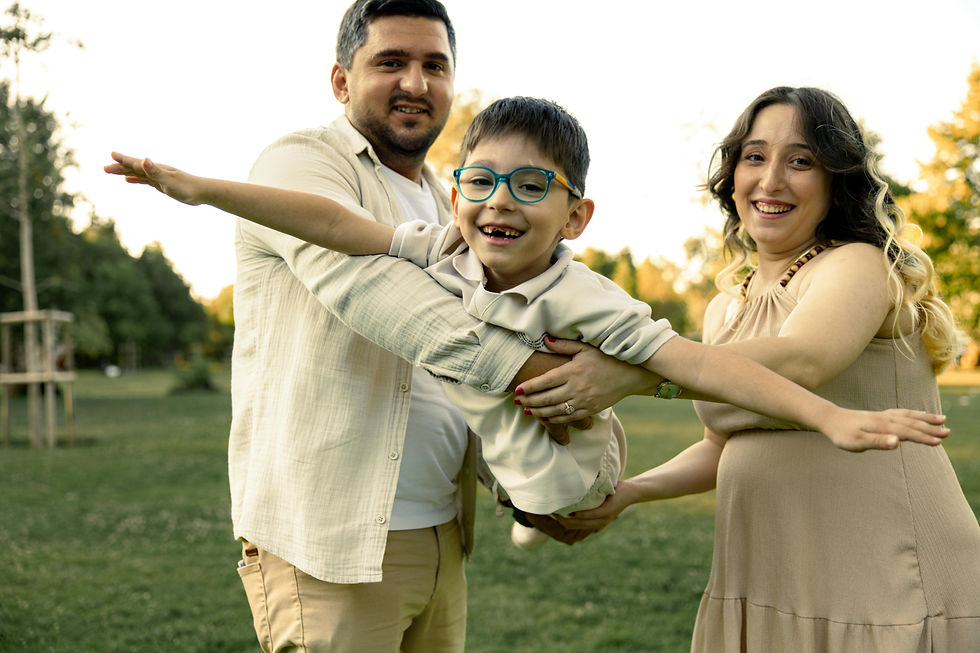
Spotting vision problems in children with autism isn’t always straightforward, especially since behaviors like avoiding eye contact or squinting can overlap with sensory preferences. Still, there are signs parents can watch for: frequent rubbing of the eyes, sitting very close to screens or books, tilting the head while focusing, or seeming unusually clumsy during play. These small cues may point to vision challenges that glasses could help correct.
Scheduling regular eye exams is one of the most effective steps families can take. A comprehensive checkup not only identifies refractive errors, strabismus, or amblyopia early, but also ensures that any treatment plan is tailored to the child’s unique needs. At Eyellusion Vision Center, exams are designed to be child-friendly and supportive, helping kids feel comfortable while giving parents peace of mind.
A Clearer Path Forward
Clear vision can make everyday life brighter, and for children with autism, the right pair of eyeglasses often opens the door to greater comfort, focus, and confidence. At Eyellusion Vision Center, we understand the unique needs of every child and provide gentle, comprehensive care to ensure their eyes get the attention they deserve. If you’ve noticed signs of vision challenges or simply want peace of mind, now is the perfect time to schedule an eye exam. Together, we can help your child see the world more clearly — and enjoy every moment along the way.


Comments